卫星技术:国际空间站的新篇章
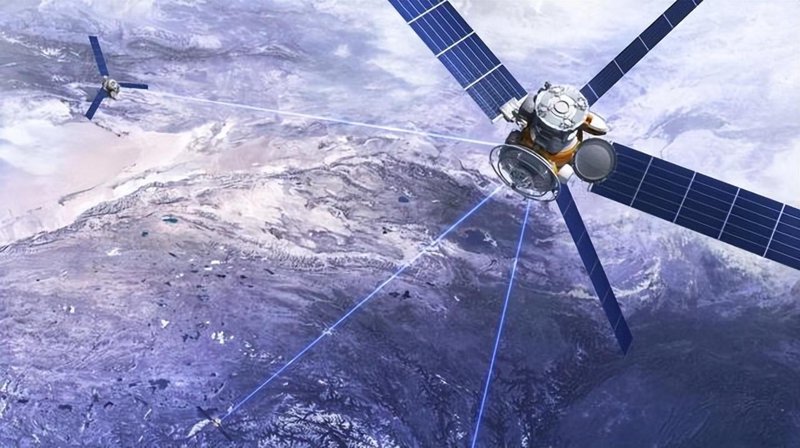
问题提出:您知道卫星技术如何改变国际空间站的命运吗?
在讨论这个问题之前,让我们先回顾一下国际空间站(International Space Station, ISS)的历史。自1998年启动以来,ISS已经成为一个国际合作的典范,为科学研究提供了独一无二的平台。
而近年来,随着卫星技术的飞速发展,它对ISS的影响愈发显著。接下来,我们将从通信、观测和实验三大方面探讨这一影响。
一、通信升级
Satellite technology has revolutionized the way ISS communicates with Earth. Previously, astronauts relied heavily on fixed ground stations for communication. However, modern satellites offer more flexible and reliable options. For instance, the European Space Agency’s (ESA) Data Relay Satellite System (EDRS) provides near-real-time data transfer capabilities, significantly enhancing mission efficiency.
二、观测视角的拓宽
The advent of high-resolution Earth-observing satellites has allowed ISS to gather more detailed and diverse environmental data. These satellites can monitor climate change, natural disasters, and even track global health trends through remote sensing technologies. For example, the Global Precipitation Measurement (GPM) mission, which includes both ground-based radar networks and spaceborne instruments, provides critical information for weather forecasting and disaster management.
三、实验平台的拓展
Satellite technology also enables new types of experiments to be conducted aboard the ISS. For instance, small satellites (CubeSats) can be launched from the station itself, providing researchers with unique opportunities for space-based research without the need for dedicated launch vehicles.
综上所述,卫星技术不仅提升了ISS的通信能力、拓宽了其观测视角,还拓展了实验平台。未来,随着更多创新技术的应用,我们可以期待ISS在科学研究和国际合作方面取得更大的成就。
结语:卫星技术正逐渐成为国际空间站不可或缺的一部分,其带来的变革将对未来的太空探索产生深远影响。